
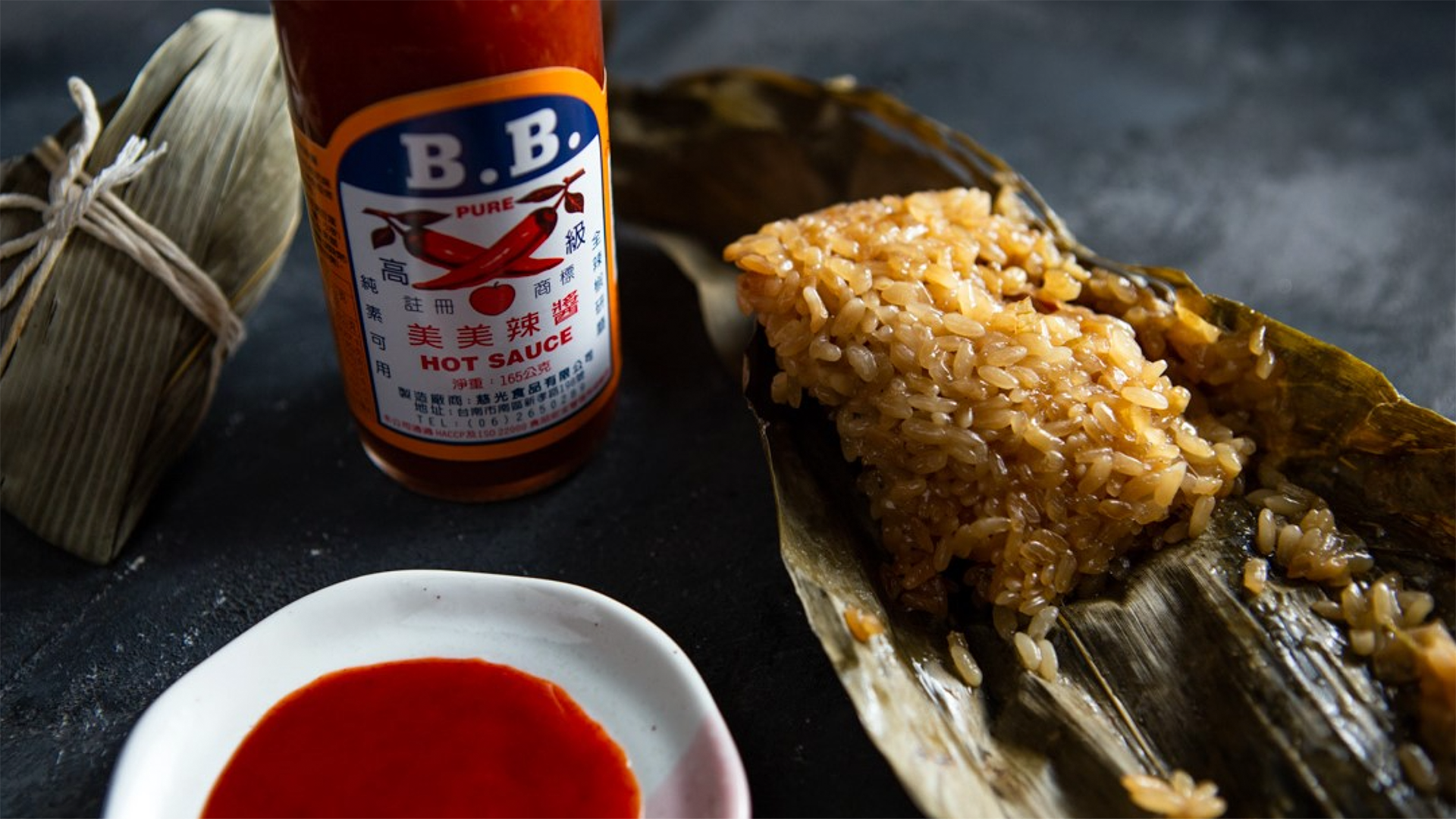
When Sophia Chang visited the BB Hot Sauce factory in Tainan, a family business she only learned about during a family trip to Taiwan in 2015, she was surprised to walk into a large facility, having pictured at some point a mom and pop operation out of a family residence. Then: there it was, the very bottle of BB Chili Sauce at a table at a night market. Then: another chili sauce sighting in her in-laws kitchen cupboards. Most everyone she encountered in Taiwan seemed to recognize and know this chili sauce.
Chang’s family has produced BB Hot Sauce for over seventy years, starting with her great-grandfather. Today, her uncles run the show. After the passing of her grandmother and other family members, Chang became motivated to capture the stories of her family and the history of the family business. She, with the help of a small team, shot her documentary, “A Little Bit Sweet” in 2023, and they’re currently undergoing a secondary round of fundraising to complete the film.
This interview has been edited for brevity and clarity.
What inspired the idea to make this documentary about your family’s business?
Sophia: I typically start this story from 2015. That was the last time I saw my grandmother. She was in hospice, and my family went there knowing that this was probably the last time we would see her. I went in thinking maybe I could still say hello, but she wasn’t in a state where she was particularly responsive to us. At that point, I knew she was already gone. That was pretty devastating for me.
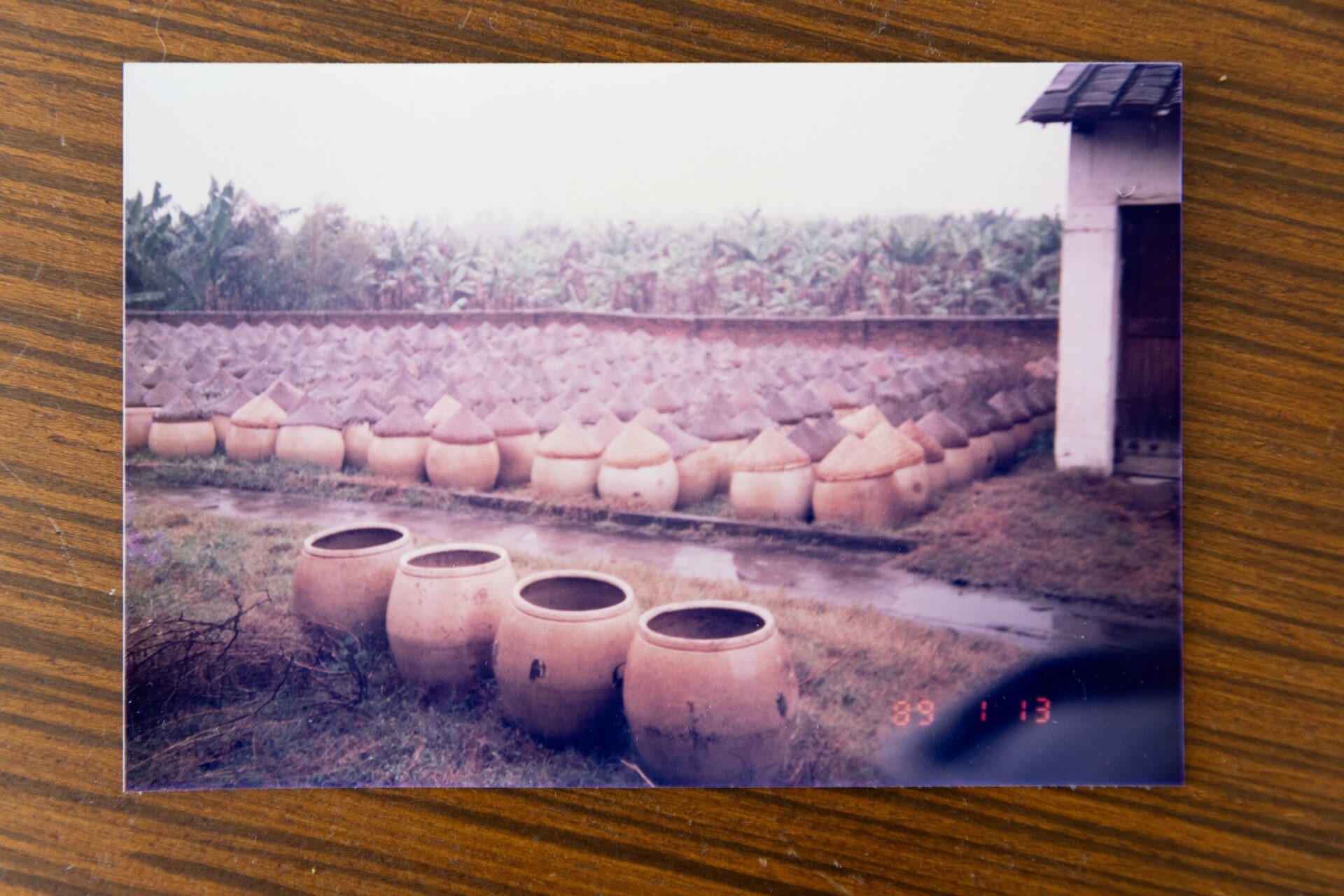
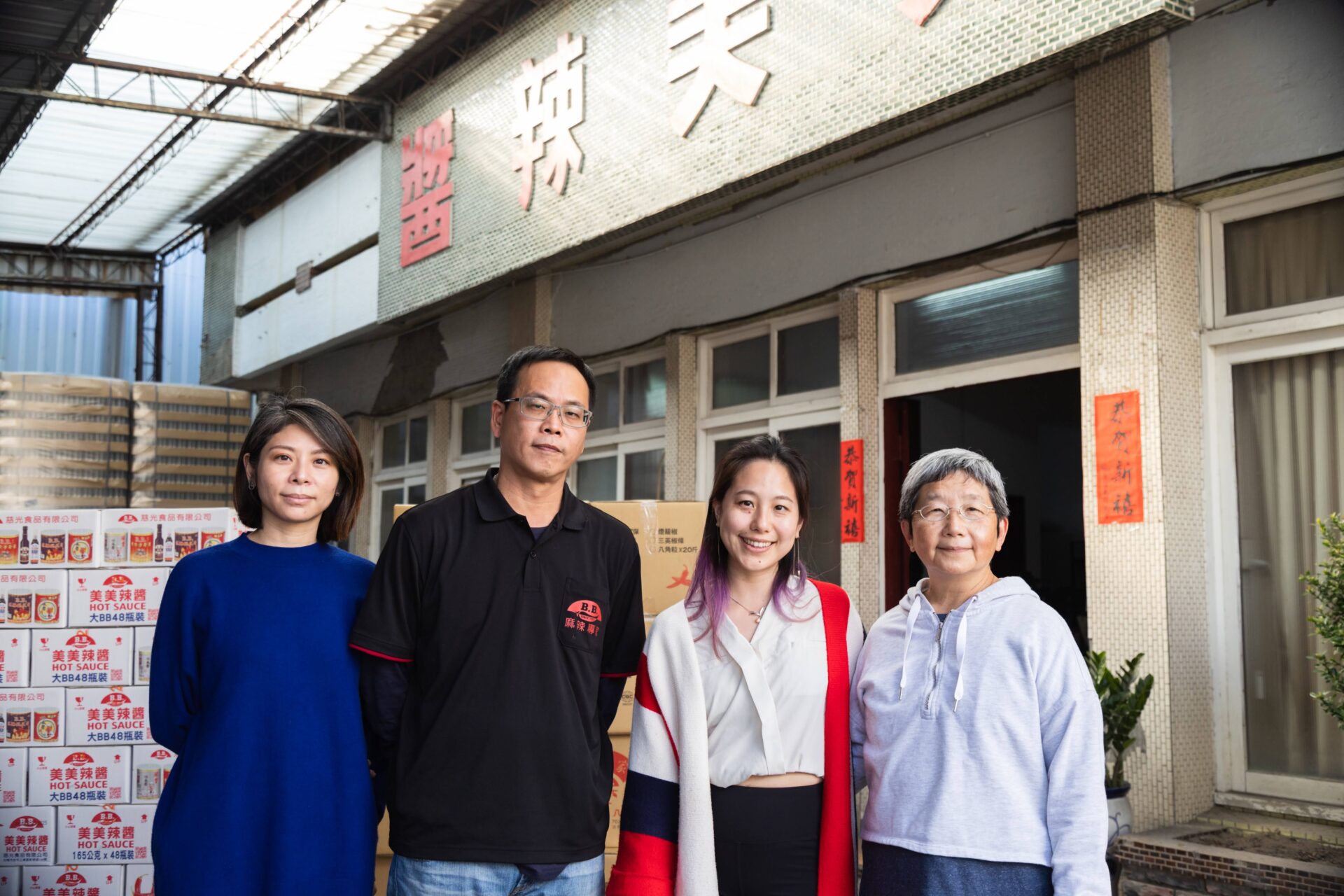
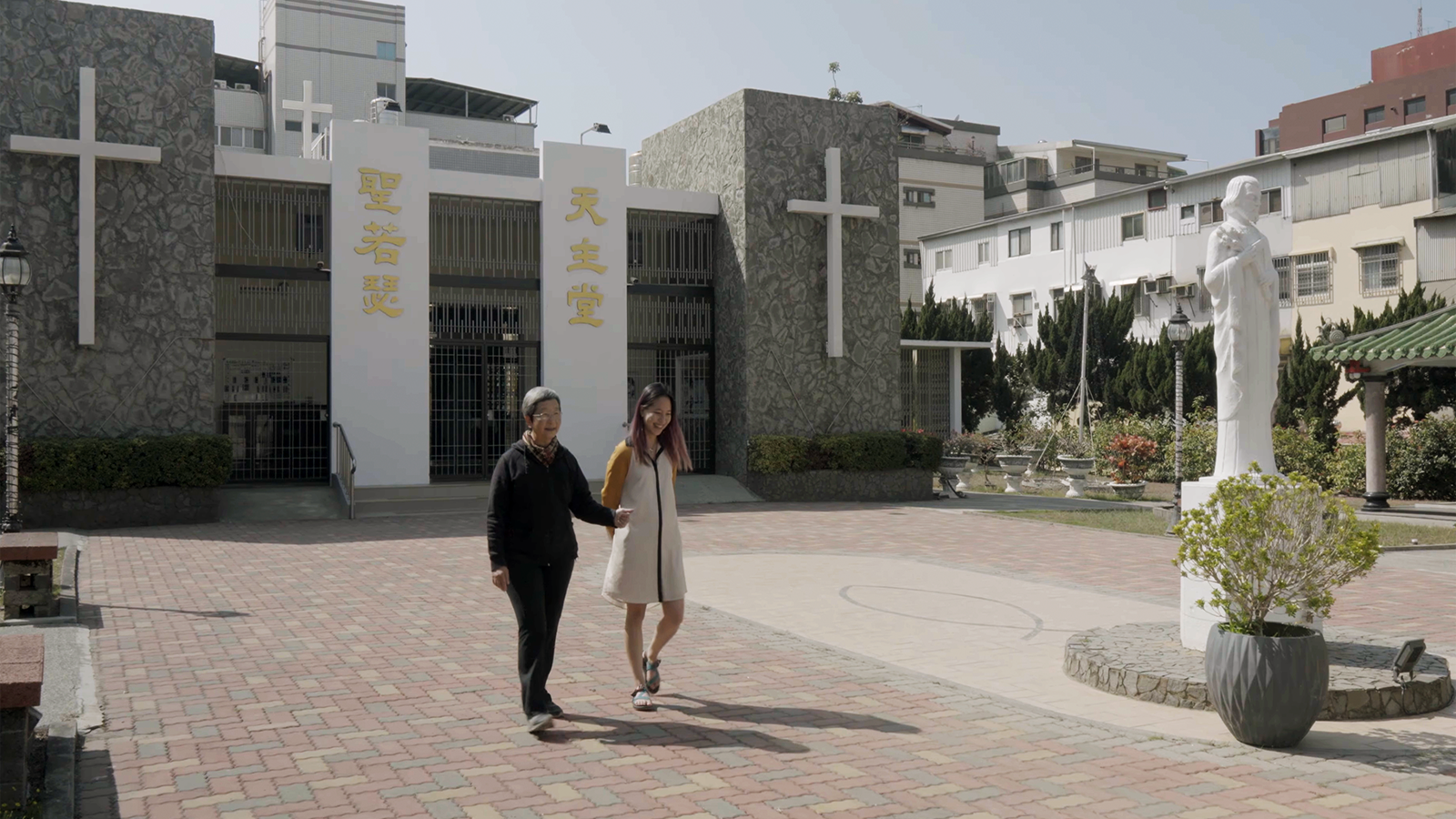
That same trip, my aunt said that we’d be visiting my grand uncle, and I was like, “What grand uncle are you talking about? My mom never talked about this part of the family. I didn’t even know my ah ma had siblings. She said they have a chili sauce company. We went to see them in the Anping District, an industrial district where a lot of companies are.
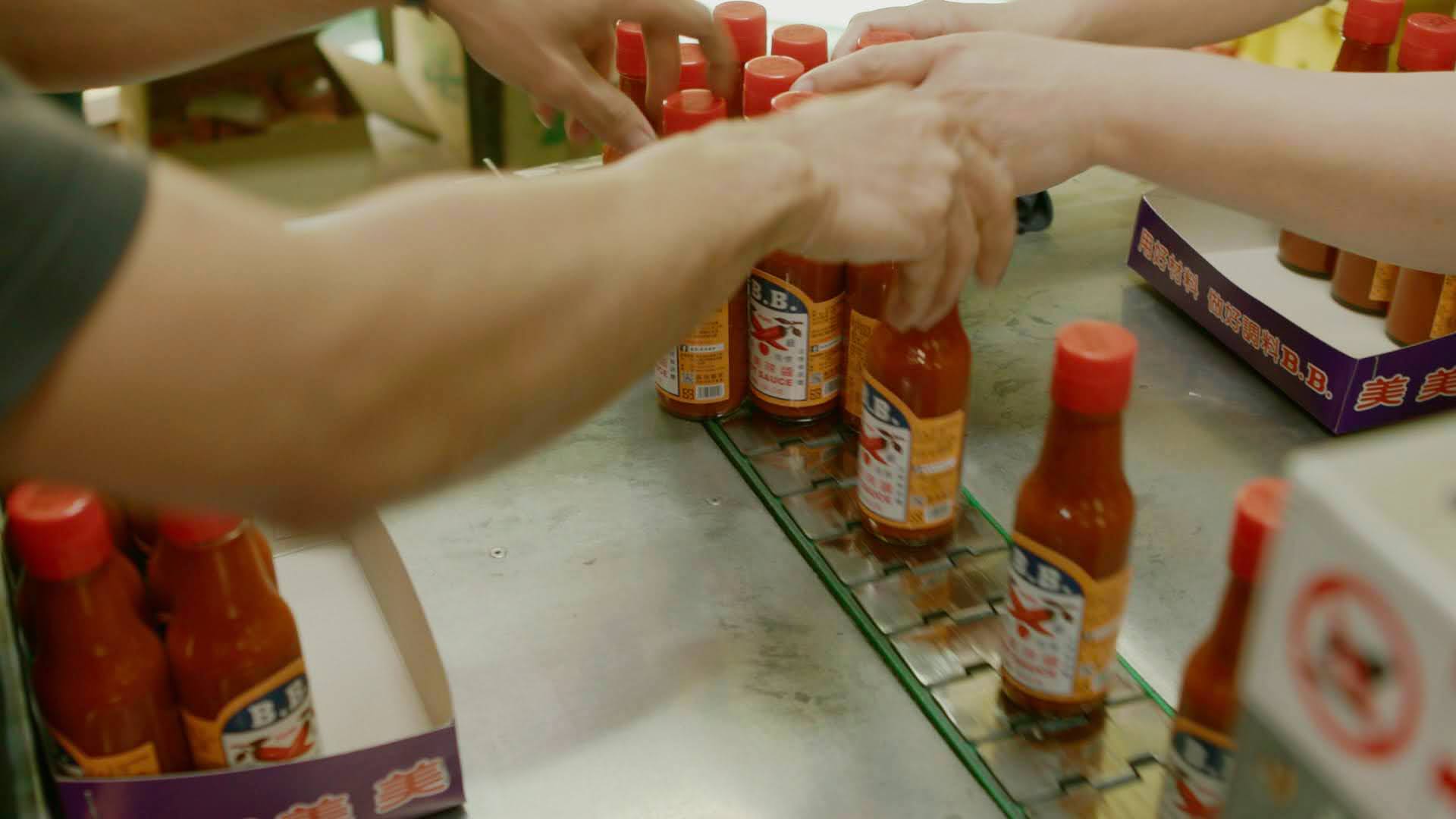
It was truly a family affair. One of my uncles said as a kid, he delivered hot sauce bottles like the way a milkman would. He would drop off bottles, then pick up the old ones to take back home. My mom said as a kid, they would help to screw the caps onto the bottle.
Soon after my grandma passed away, my ah gong passed away. Those were the catalysts for me to think about this project. I’d already lost my grandparents. I didn’t get to talk to them much beforehand. They had dementia in their later years. By the time I was old enough to think about asking them about some of their stories, it was already too late.
At that point, I was helping a lot of other people with other productions and telling their stories. I have these two grand uncles left in that generation that I know are alive and that I’ve met once before, and they have this hot sauce. I really wanted to make a story of my own.
So did you know upon visiting the factory that your family’s hot sauce was so iconic?
Sophia: No, I didn’t. It was much later that I started to learn more about the hot sauce and how prevalent it was. Now, they make more than just hot sauce. I asked one of my uncles who was in the import-export business about it. He had helped out with the company before, which was news to me. He told me that at one point, the hot sauce was at every train station restaurant in Taiwan. It was just very slowly learning all these different pieces that led to, “This is actually way bigger than I initially thought.”
The process for this documentary seems like it’s been a long one. Where are you at with the progress? What will the funds for this secondary fundraising round be applied to the project?
When we started, I decided to do a crowdfunding campaign in January or early February of 2020. At that point, I gathered a few people who were willing to be on my crew to help me out. We had the flights and hotels booked. Then, COVID happened. We were literally supposed to go in March of 2020 when everything shut down. Unfortunately, we had to cancel everything, and it was really disappointing. For me, I was scared that I would lose my grand uncles during that time. They were already very old. One of them had already had a couple strokes.
I was thinking, “Oh my God, I’m going to lose my opportunity to make this whole documentary and I had already raised these funds.” That was a real fear I had. I tried to do more preproduction by doing more pre-interviews through video calls, which were a little challenging because my grand uncles are quite old. We had to coordinate with some younger members of the family to organize time to chat. My mom was there translating to make sure that they understood the questions, just so I could get a basic outline of the history.
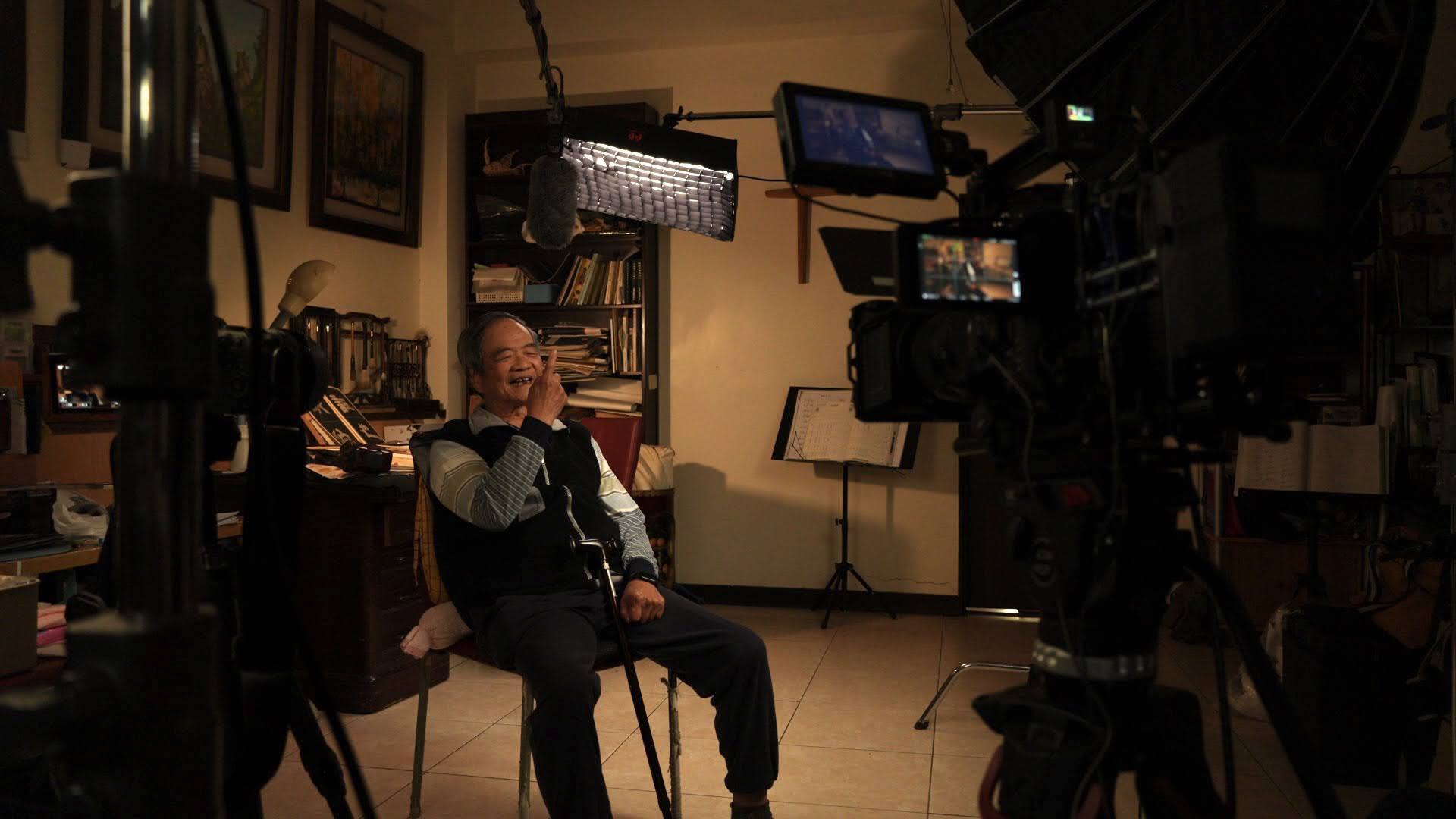
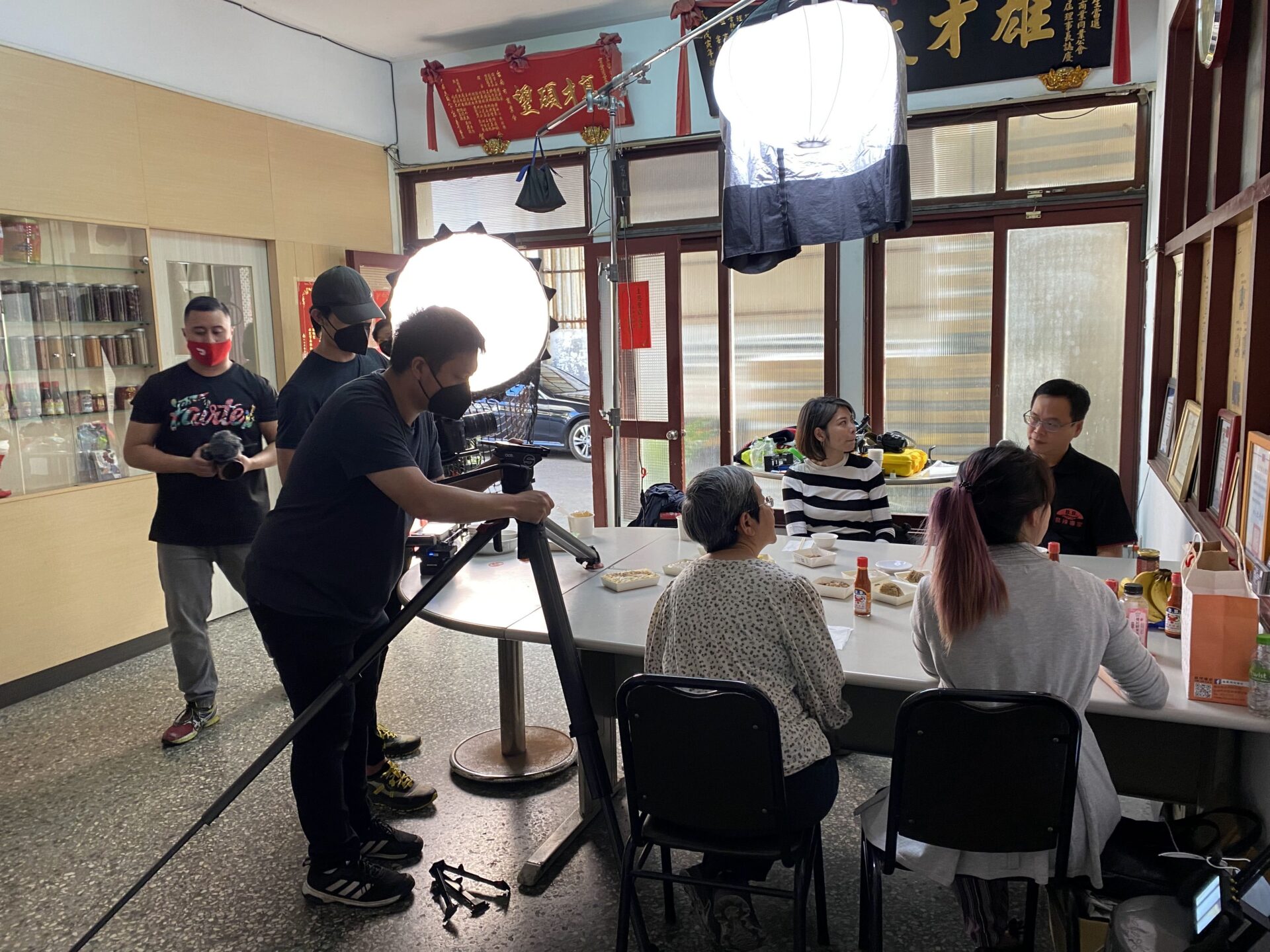
By the end of 2022, COVID restrictions had lifted. I was primarily concerned with not having to go through quarantine because that would increase our costs. Then, of course, the real risk of anyone getting sick. We flew out in 2023, almost the same time period, February to March. My grand-uncles were still around. It was about a week of pre-production and about nine or ten days of filming, which is quite unusual for a lot of documentary work, but I thought it was necessary given that we had limited time and budget. Our pre-production helped in being able to narrow down what we needed. The initial crowdfunding campaign was to cover production expenses. I also put up some of my own money to cover logistics like airfare and travel expenses for the film crew. They all volunteered their time, skills, and equipment. Otherwise, it would be about six times the cost. This secondary round of fundraising for post-production covers editing and sound mixing, and if we can afford it, someone to make music. There’s composing, then coloring to make it look pretty. After that, there’s business expenses like when you’re going the film festival route and trying to meet investors or distributors.
Filming was a really emotional process for me. One, because it’s about my family, I inserted myself into the story. My mom was part of it, and my aunt and uncle were also part of the initial 2015 trip. So you have all these family dynamics and these different stories that weren’t told before coming up. After we filmed and I came home, I could not even look at the footage for about a year. I held it together during filming. Then afterwards, I just could not handle it emotionally. That’s one of the reasons why there is such a delay between filming and editing.
I can see this is bringing up a lot for you. In that year where you took a break from the project, what kind of personal work did you have to do to get back to a place where you could pick this back up and what perspective did you gain from this?
Sophia: So much therapy. It was a lot of realizations about the way we grow up as second-generation Asian Americans in the U.S. Those dynamics are very normal to me because I grew up in them and it’s what I know.
This trip was the first time my Mom and I had been back to Taiwan in over thirty years. We met relatives who have grown up in Taiwan their whole lives and never lived anywhere else. I think this is interesting and also can be challenging because of different cultural understandings and how we communicate.
What was some of the history behind BB Chili Sauce that you learned from this process?
Sophia: It started with my great grandparents. They were escaping the Chinese Civil War and had a family member who was part of the KMT Party. That’s why they were able to move from Xiamen to Tainan. They were very privileged in that they had that connection and could live in a somewhat nicer house with the whole family staying together. But they had to figure out a new way of making a living. There’s different, slightly different accounts of how the hot sauce got started, and that’s in the documentary. That’s what happens when you have oral history: people might have different memories or accounts of the same situation. My great grandfather formulated the recipe to suit local Taiwan, specifically Tainan, tastes too.
So, sweeter.
Sophia: Yeah, a little bit sweeter, some fermentation, a slightly vinegary, and a little bit of spice but not face numbingly so.
Why do you think this story is important to share?
Sophia: Even in just learning about the company and how it formed, I learned more about Taiwanese history. When the company was able to get their business site, an actual factory, that was because there were incentives from the government for Taiwanese people to build local businesses in Tainan.
A big motivator for me doing this story is to show my relatives their legacy on the big screen. Being able to push this out while my grand-uncles are still alive would be amazing. I really want to reach people who are like me or have been in my situation. Maybe they weren’t able to speak to their grandparents before they passed. It’s important to encourage these stories to be told. When I asked my mom why she never spoken about this part of the family history before, she said she didn’t think it was relevant or interesting. I think that’s something that should be challenged by the younger generation. I hope it helps people. I don’t want people to just think it’s an ad for BB Chili sauce. This was definitely about me wanting to connect with my family and trying to cope with the idea of the missed opportunity. It’s, in part, a documentary about grief.
Sophia and the rest of the team behind “A Little Bit Sweet” are undergoing their post-production fundraising via Seed & Spark through the end of the month.
TaiwaneseAmerican.org is one of this project’s earliest financial supporters and we have signed up in this secondary round to help spread the word and get them to the finish line.
For every share on Instagram and Facebook through April 29, we’ll donate $1, up to $1,000.
Click here to learn more about the documentary and contribute to the Seed & Spark campaign!



Leave a Reply